
Hearing Loss
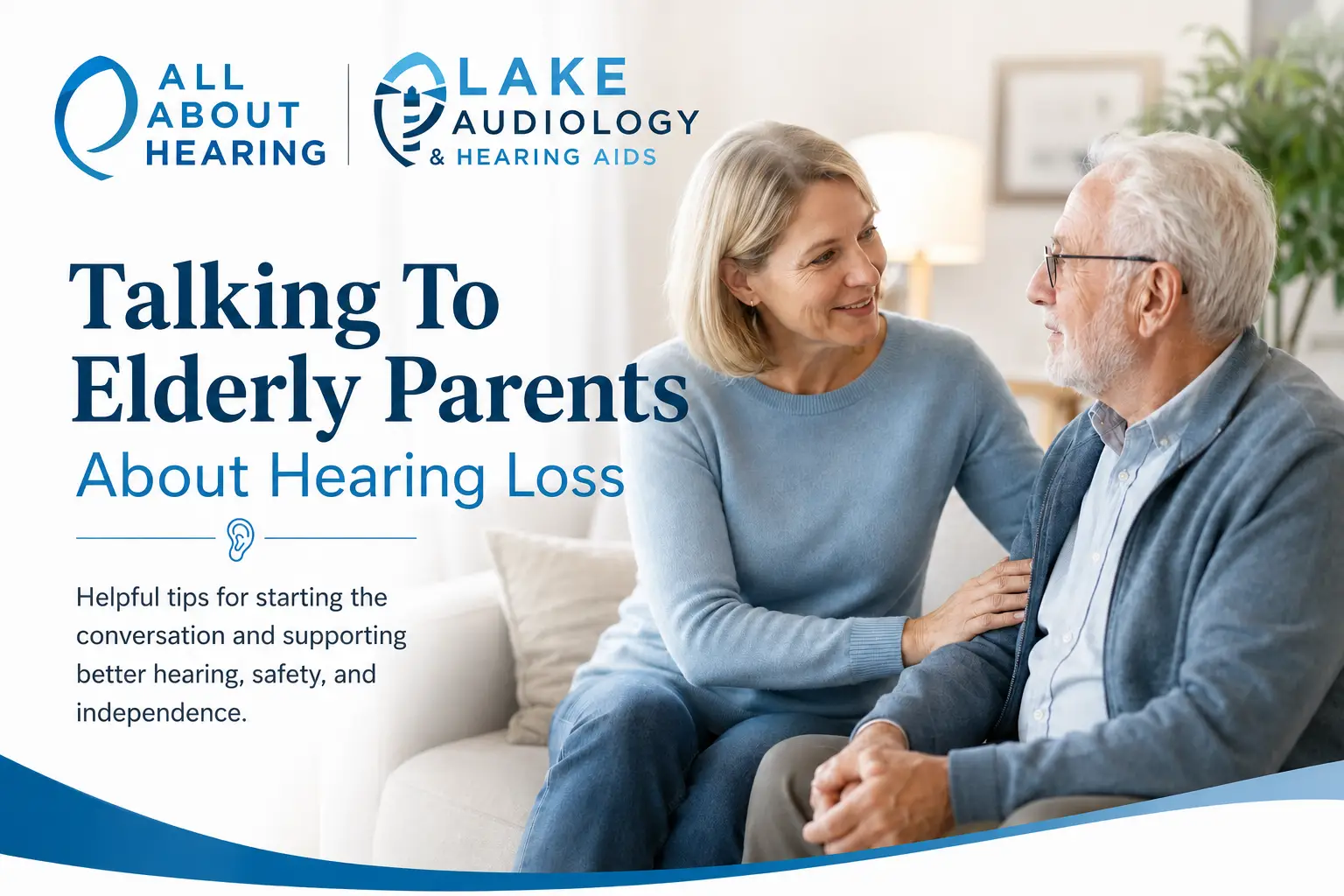
Talking to Elderly Parents About Hearing Loss
Helping a parent recognize hearing loss can be difficult, especially when the change happens slowly. The right approach can make the conversation feel supportive instead of critical.
The person with a hearing problem is often the last to notice it, because the change comes on gradually over years and starts subtly. Adults with hearing loss typically say, “I can hear just fine if people would just stop mumbling.”
They’re half right. It isn’t always that they can’t hear — they can. The problem is that they can’t understand. The first clue to a hearing impairment is often mixing up consonants. Age-related hearing loss commonly occurs in the high-frequency ranges that, in English, tend to carry many consonant sounds.
Many older adults also think it is normal to lose some hearing ability. If hearing loss is common with age, it may not seem harmful. But untreated hearing loss can affect communication, safety, independence, and quality of life.
Why Hearing Loss Should Not Be Ignored
Because the ear plays a role in balance, hearing loss can contribute to fall risk. There is also growing evidence that hearing loss is associated with risk of dementia. Waiting too long to seek treatment may make hearing problems worse and can make treatment more difficult later. The advantages of treating hearing loss often far outweigh the disadvantages.
How to Talk to a Parent Who Denies Hearing Loss
Conversations about hearing loss should be handled with patience. Most people do not want to feel old, dependent, or pressured into hearing aids. Instead of arguing, focus on the benefits of better hearing: connection, safety, social confidence, and independence.
1. Stop Being a Living Hearing Aid
Many people have a helpful caregiver, spouse, or family member who repeats information for them. While this feels supportive, it can also make it easier for the person with hearing loss to avoid seeking help.
2. Help Them Notice the Signs
Encourage them to pay attention to every time they say “What?”, miss the punchline on TV, ask people to repeat themselves, or feel like others are mumbling.
3. Emphasize the Benefits
Better hearing can help with conversations, social activities, safety, and maintaining independence — all important parts of life as we get older.
Everyday Signs Your Parent May Be Missing More Than They Realize
Once older adults become more aware of the listening challenges they experience every day, they are often more willing to accept a solution.
- Frequently asking people to repeat themselves
- Saying that others are mumbling
- Turning the television volume higher than others prefer
- Missing jokes, punchlines, or details in conversation
- Having more trouble in restaurants or group settings
- Withdrawing from social activities
- Missing important environmental sounds
Better Hearing Supports Safety and Independence
Social activities, safety, and maintaining independence are some of the most important aspects of life as we get older. Hearing helps people stay aware of important sounds in their environment, such as a doorbell, a car approaching from behind in a parking lot, or an ambulance siren in the distance while driving.
Hearing care is not just about hearing words more clearly. It is about helping people stay connected, confident, and safe.
Hearing Help May Be More Affordable Than You Think
Many insurance plans help with the cost of hearing aids. There are also payment plans that can make hearing treatment more affordable.
Call us and let us check your insurance to determine hearing aid coverage with no obligation.
Better Hearing Starts Now.
If you are concerned about a parent, spouse, or loved one, our Doctors of Audiology can help with a complete hearing evaluation and personalized treatment options.